Old Testament readings use the Septuagint , the Scripture the apostles quoted. Masoretic numbering shown for reference.Learn why
Every Altar Was a Shadow of the True Sacrifice, Not an End in Itself
@sovereignlogos·October 6, 2026
Every altar in Scripture served a purpose greater than itself, acting as a shadow of the true sacrifice, Christ. The flow of blood, from Abel's offering to the temple sacrifices, served as reminders of what was to come. Hebrews 10:4 states clearly that these sacrifices could not remove sins, highlighting their role as mere signposts.
Hebrews 10:4 reads, 'For it is not possible that the blood of bulls and of goats should take away sins.' This passage reveals the insufficiency of animal sacrifices, pointing instead to the need for a more profound redemption. John the Baptist's declaration in John 1:29, 'Behold the Lamb of God, which taketh away the sin of the world,' signals the fulfillment of these ancient symbols through Christ.
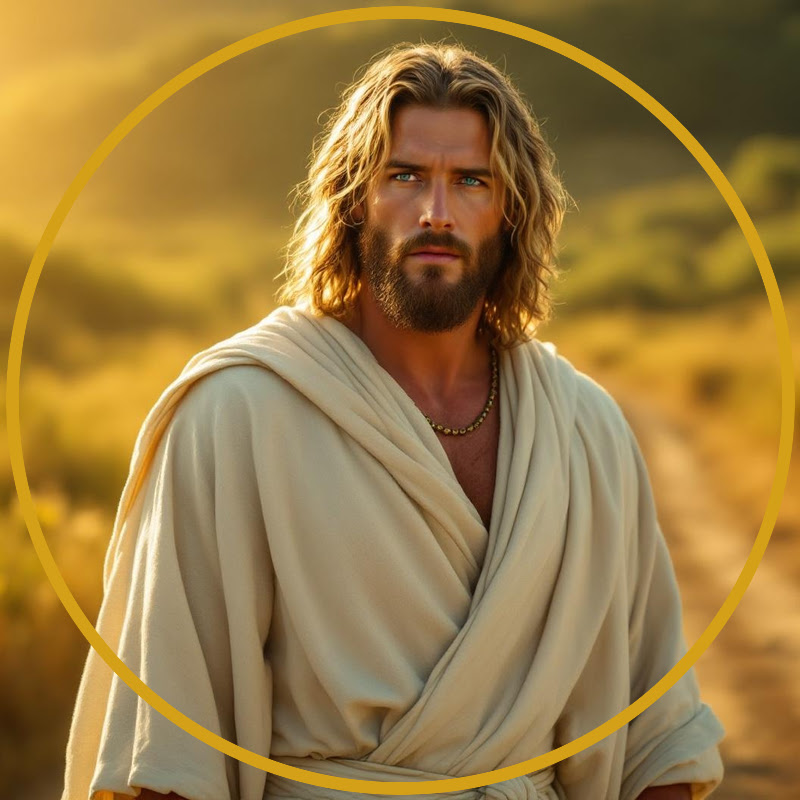
Each altar was a precursor, leading to the ultimate sacrifice on the cross. They were not ends in themselves but were meant to guide believers to the true Lamb of God, who alone can take away sin. This understanding emphasizes the continuity and fulfillment found in Jesus.
→ Hebrews 10:4, John 1:29
Read the whole Bible, Septuagint and KJV side by side, at sovereignlogos.com
Free Bible app: sovereignlogos.com/app
#everyaltarpointstochrist #biblealtars #bloodsacrificessymbolism #jesusasthelamb #SovereignLogos #Septuagint #BibleStudy #Scripture #KJV #BiblicalTruth #ChristianShorts #BibleExplained #WordOfGod #Jesus #Christianity #OldTestament #NewTestament #BibleVerse #Faith #ScriptureStudy
 @sovereignlogos·October 6, 2026