Old Testament readings use the Septuagint , the Scripture the apostles quoted. Masoretic numbering shown for reference.Learn why
Matthew Says "I Will Open My Mouth In Parables" But This Is No New Testament Creation
@sovereignlogos·September 29, 2026
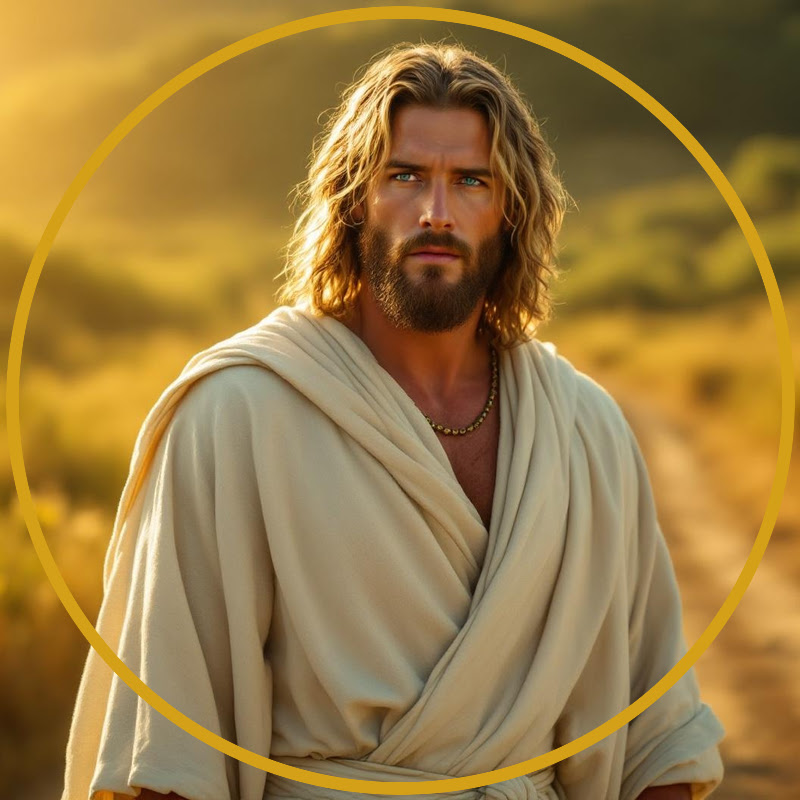
In Matthew 13:35, we find a statement about Jesus teaching in parables that directs us to a prophetic fulfillment found in the Psalms. Contrary to the common belief that this is a New Testament creation, the Septuagint, the ancient Greek version of the Hebrew Scriptures, records this prophecy in Psalm 77:2. This lines up precisely with Matthew's wording: "I will open my mouth in parables." The Masoretic Text, a later redaction, often lacks such prophetic foresight. In this instance, Matthew is not inventing a connection; he is highlighting a truth embedded in the Septuagint centuries before Christ's earthly ministry. This demonstrates that the New Testament's portrayal of Jesus is deeply rooted in the ancient texts, affirming the unity of Scripture from Genesis to Revelation. Understanding the Septuagint's role is crucial for seeing how prophecy and fulfillment are woven together in the Bible. The Septuagint is not an addition but the original witness to these prophetic truths.
→ Matthew 13:35, Psalm 77:2 (LXX), Psalm 78:2 (KJV)
Read the whole Bible, Septuagint and KJV side by side, at sovereignlogos.com
Free Bible app: sovereignlogos.com/app
#septuagint #matthew13 #jesusparables #bibleprophecy #psalm77 #biblicaltruth #scriptureunity #SovereignLogos #BibleStudy #Scripture #KJV #ChristianShorts #BibleExplained #WordOfGod #Jesus #Christianity #OldTestament #NewTestament #BibleVerse #Faith
 @sovereignlogos·September 29, 2026