Old Testament readings use the Septuagint , the Scripture the apostles quoted. Masoretic numbering shown for reference.Learn why
What Hebrews One Actually Declares About the Divine Son
@sovereignlogos·October 2, 2026
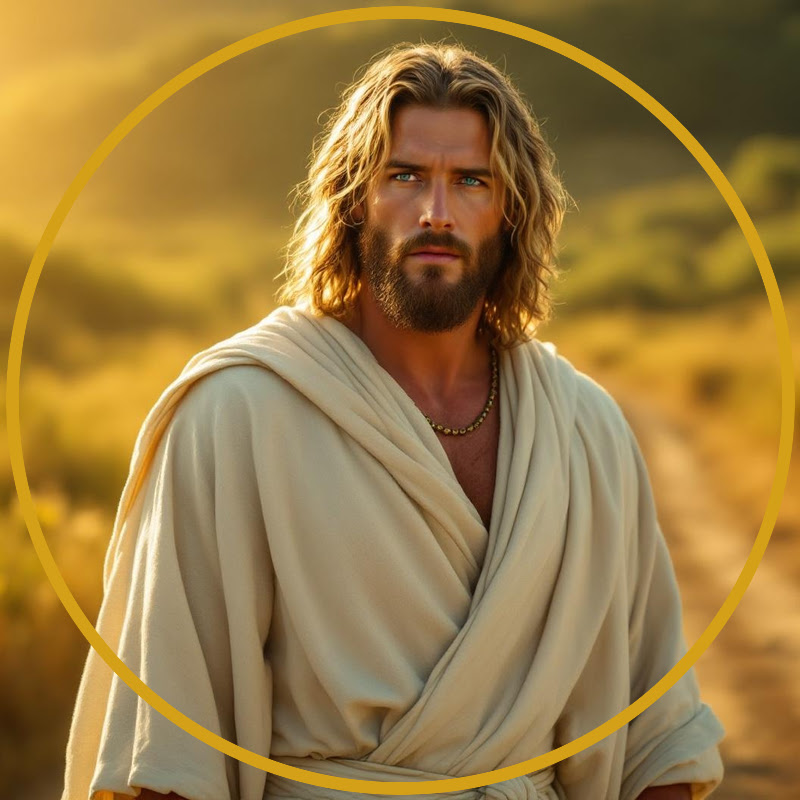
The idea that the Father never called the Son God is a misunderstanding. The Book of Hebrews provides a crucial insight into this divine affirmation. In Hebrews 1:8, the Father addresses the Son directly, saying, "Thy throne, O God, is for ever and ever: a sceptre of righteousness is the sceptre of thy kingdom." This statement is not a minor detail but a profound declaration of the Son's divine status and eternal kingship. The sceptre of righteousness points to the perfect justice and authority inherent in Christ's rule. His throne, enduring forever, signifies His unchanging divinity and eternal sovereignty.
The Septuagint offers a unique perspective on this verse, emphasizing the completeness of Christ's divine nature and His rightful place in creation. The Masoretic text, derived and redacted later, lacks the fullness found in the Septuagint's rendering, which highlights the Father’s direct acknowledgment of the Son's deity.
→ Hebrews 1:8
Read the whole Bible, Septuagint and KJV side by side, at sovereignlogos.com
Free Bible app: sovereignlogos.com/app
#hebrews1 #divinityofchrist #septuagint #biblestudy #christianity #eternalkingdom
 @sovereignlogos·October 2, 2026